
Beginning with Casino Licensing Requirements

Welcome to our overview to casino licensing in Slovenia liveblackjack.si. At Live Blackjack Casino, we recognize that joining the regulated gambling market can feel complex, especially when you are also managing affiliate partnerships and promotional content. Our aim is to provide a clear and reliable starting point for operators, affiliates and commercial partners who must to grasp the main licensing requirements. This guide covers the legal framework, application steps, financial expectations, technical standards and responsible gambling duties. We wish to assure you that with the right preparation, the process becomes much easier to manage. This information is not a substitute for legal advice, and we recommend you to consult a Slovenian legal professional before sending any application.
Comprehending Slovenia’s Legal Framework for Casino Licensing
Slovenia regulates gambling through a combination of national legislation and supervisory bodies. The most important legal text is the Gaming Act, which specifies what constitutes games of chance and establishes the conditions under which licences may be issued. The Ministry of Finance assumes a central role in granting concessions, while the Financial Administration of the Republic of Slovenia supervises compliance. For any operator, the first step is to recognize that casino gaming is not an open market in Slovenia. Instead, it is a concession-based system with strict entry requirements. We advise reviewing the latest amendments to the Gaming Act before planning your application, because this framework changes periodically and can influence both operational and technical expectations.
A common misunderstanding is that an operator holding a licence in another EU member state can automatically deliver services in Slovenia. While European Union principles shape Slovenian regulation, local authorisation is still needed for most casino products. Cross-border recognition is limited and typically depends on bilateral or EU-level arrangements. We therefore urge operators to consider Slovenia as a distinct jurisdiction with its own application process. You will need to show that your business is based lawfully, that your software meets local standards and that your financial arrangements are transparent. Starting with the correct interpretation of the legal framework reduces the risk of enforcement action and positions your application for a smoother review by the authorities.
Preparing Financial Statements and Capital Proof
Financial stability is a core requirement for any casino licence in Slovenia. You will have to provide audited financial statements for the applying entity and, in some cases, for the wider group. The regulator will scrutinize your liquidity, revenue projections and ability to cover player winnings. We advise preparing evidence of sufficient share capital and a clear funding plan for the first twelve months of operation. You may also be asked to show that you can maintain segregated player funds accounts. At Live Blackjack Casino, we appreciate that this level of financial scrutiny can feel demanding, but it is designed to protect players and the wider market. Well-prepared financial documentation can significantly cut the review period.
Ongoing financial reporting is just as crucial as the initial application. Licensed operators in Slovenia must submit regular tax returns, gaming duty reports and audited annual accounts. The authorities may also request interim statements if there are concerns about capital adequacy or unusual transaction patterns. We advise setting up internal accounting processes that separate player deposits from operational funds and record every transaction clearly. This makes it easier to respond to regulatory queries and reduces the risk of fines for late or incomplete reporting. You should also plan for the payment of gaming taxes, which can vary depending on the type of game and gross gaming revenue. Early planning with a local tax adviser is strongly suggested.
Completing Independent Testing and Game Fairness Audits
Game fairness is a central condition of every Slovenian casino licence. For digital and live games, you must be able to demonstrate that outcomes are random and that the return to player percentages match what is advertised. Independent testing laboratories play an important role here. They test random number generators, card shuffling algorithms, game rules and payout calculations. For live dealer blackjack, auditors may also check the physical integrity of card shoes and the procedures used by dealers. We suggest engaging a recognised testing house before you submit your application. Their certification reports give the regulator confidence that your games are fair and that your software has not been altered in ways that disadvantage players.
Testing is not a one-time event. After your licence is granted, you will need to maintain game certification and submit to periodic audits. Regulators may require access to your game logs and transaction records to verify that payouts are correct and that no unauthorised changes have been made. Live dealer operations should keep detailed records of every table, dealer shift and shuffle. We also recommend having a clear dispute resolution process for players who question a game result. If a game is updated or a new table variant is added, it may need fresh certification. Planning for ongoing testing ensures that your licence remains in good standing and that your players continue to receive a fair experience.
Meeting Ownership and Corporate Structure Obligations
Slovenian authorities lay strong emphasis on ownership transparency. Before a casino licence is awarded, you must disclose the full corporate structure, including all shareholders, directors and beneficial owners. Anonymous or offshore structures are generally not approved for Slovenian gaming concessions. We suggest preparing a clear ownership chart and having certified identification documents ready for every individual with significant control. The regulator also checks whether the people behind the operation have the professional competence and personal integrity to run a gambling business. Previous bankruptcy, serious criminal convictions or involvement in unlicensed gambling can pose obstacles. Being transparent at this stage creates credibility and reduces the chance of the application being rejected for incomplete background information.
Your company may be obliged to have a registered presence in Slovenia or the European Economic Area, depending on the licence type. Even if an EU entity is acceptable, local tax registration and a Slovenian representative may be required for ongoing reporting. We recommend consulting a Slovenian corporate lawyer to set up the appropriate legal entity before you invest heavily in software or marketing. The corporate structure should also align with your banking arrangements, because the regulator will want to see that player funds are held similarweb.com separately from operational accounts. A well-organised structure not only aids the application but also makes future audits and tax filings easier to manage.
Determining the Correct Licence Type for Your Business
Choosing the correct licence type is vital before you commence preparing your application. Slovenia distinguishes between classic games of chance, special games of chance and betting, and each category has different requirements. An online casino presenting live dealer blackjack must generally apply for a concession that covers interactive casino games instead of a land-based casino permit. The range of your licence dictates what software, player verification and reporting obligations apply. We advise operators to outline their intended product explicitly, including whether they intend to offer live streams, mobile play or multiple table games. This transparency helps the Ministry of Finance route your application to the proper route and avoids unnecessary requests for clarification later.
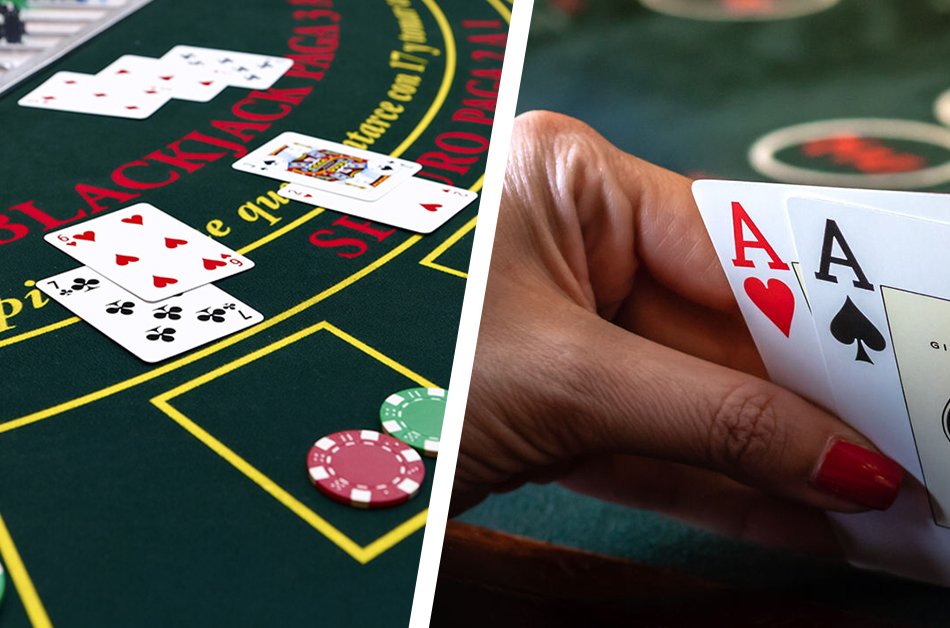
For many new entrants, the gap between a concession and a simple notification is unclear. In Slovenia, certain gaming activities may demand a full concession, while ancillary services might only require registration. However, any activity that entails accepting real-money wagers from Slovenian players is probable to fall within the licensing regime. We suggest working with local counsel to match your specific product against the definitions in the Gaming Act. If you work as an affiliate, your position is separate from that of an operator, but you must still ensure your marketing does not promote unlicensed casinos. At Live Blackjack Casino, we keep our affiliate material in line with the licensed status of any partner we endorse.
Introducing Responsible Gambling Practices

Responsible gambling is not an optional extra in Slovenia. As part of your licensing application, you must show how you will recognize and assist players who may be at risk. This includes presenting deposit limits, time limits, cooling-off periods and self-exclusion tools. Slovenia has a national self-exclusion system, and operators must integrate with it where required. We suggest preparing clear policies that describe your responsible gambling controls in plain language. Staff should get training so they can identify signs of problem gambling and report concerns appropriately. Demonstrating a genuine commitment to player protection helps establish trust with the regulator and can determine between a smooth approval and a drawn-out review.
Player protection reaches beyond the sign-up process. Licensed operators must track player behaviour and intervene when patterns suggest harm. You should have clear internal procedures for contacting players who set high deposit levels or show signs of chasing losses. Marketing messages must never aim at vulnerable individuals or suggest that gambling solves financial problems. At Live Blackjack Casino, we maintain that a responsible gambling framework also promotes long-term business success. Players are more likely to remain loyal when they realize that a casino takes their wellbeing seriously. We advise documenting every responsible gambling measure and storing records of training and interventions, because regulators may ask to see this evidence during inspections.
Advertising and Affiliate Compliance in Slovenia
Marketing a casino in Slovenia requires careful attention to advertising rules. You need to not target minors, and all promotional material must include responsible gambling messages. Claims about winnings, bonuses and odds need to be accurate and not misleading. Affiliate partners are responsible for ensuring that their content does not promote unlicensed operators or present gambling as a guaranteed income. At Live Blackjack Casino, we demand our affiliates to follow a clear set of marketing standards. This includes displaying terms and conditions, avoiding aggressive language and making it obvious when content contains affiliate links. Transparent marketing not only keeps you compliant but also builds stronger trust with Slovenian players.
Affiliate programmes should be structured with compliance in mind from the start. Written agreements must define what affiliates can and cannot say about your brand, and they should include the right to suspend partners who break the rules. We suggest reviewing affiliate content regularly and keeping records of your oversight activities. If an affiliate promotes your casino without a licence or uses misleading bonus offers, the regulator may hold the operator responsible. That is why we at Live Blackjack Casino choose our partners cautiously and provide them with accurate, up-to-date information. A well-governed affiliate programme supports your marketing goals while reducing legal risk for both sides.
Building Technical and Security Compliance
A modern casino licence application must show that your technical platform is safe, stable and transparent. Slovenian regulators require operators to safeguard player data in line with the General Data Protection Regulation and local privacy rules. You should apply strong encryption for all transactions, secure user authentication and access controls. The platform must be capable of generate detailed logs of player activity, bets, results and payments. We also advise a reliable backup and disaster recovery plan. Regulators may question your data centres, hosting arrangements and whether you store data within the European Economic Area. Handling these points early in your project plan will help you prevent technical delays during the licensing review.
For live dealer blackjack, technical compliance also includes the streaming environment and game integrity. The studio, camera systems and table equipment must be monitored and protected against tampering. The regulator may demand proof that the live feed is continuous, encrypted and stored for a set period. Your platform should stop unauthorised access to card shoes, shufflers and game controls. We recommend partnering with software providers that already hold certifications from recognised testing laboratories. This lessens the burden of proving fairness and security from scratch. You will also need to show that your platform can enforce geographic restrictions, so that players outside permitted areas cannot place real-money wagers.
Handling Renewals and Post-Authorisation Obligations
Acquiring a casino licence is merely the start of your regulatory path. Slovenian licences involve ongoing duties that continue for the full term. You need to notify the regulator of significant changes, including ownership transfers, key personnel changes or material updates to your technical platform. Renewal applications need to be prepared well before the current licence expires, and you may need to submit updated financial statements, audit reports and responsible gambling records. We suggest creating a compliance calendar that records every reporting deadline and renewal date. This straightforward step assists prevent last-minute pressure and shows the regulator that your operation is steady, structured and committed to long-term compliance.
Post-licensing obligations further include responding to inspections and information requests in a prompt manner. Regulators may visit your premises, review your records or ask for explanations about uncommon player activity. We counsel keeping all documentation organised and easily accessible, from game logs to responsible gambling training files. Maintaining a respectful and cooperative relationship with the authority can make routine oversight far less stressful. At Live Blackjack Casino, we consider regulatory engagement as an opportunity to showcase our standards rather than as a encumbrance. By keeping proactive, you can tackle small issues before they become serious compliance problems and protect the future of your casino operation.
Comments are disabled for this post