Wisho Casino brand – From Debut to Market Leader
I have been watching Wisho Casino since day one, charting how a new brand transformed into a mature, dependable platform wishoscasino.com. At launch, the commitment was apparent but the delivery had some teething problems. I continued returning, evaluating the platform following each significant update, and the trajectory I witnessed makes describing it as an market leader appear warranted. The game portfolio grew from a small selection into a collection with thousands of titles. Payment handling, once a slog, now runs at the pace I expect from top-flight brands. Client support transitioned from email-only responses to a always-available live chat that hardly ever delays me. This article walks through that transformation and offers you a direct analytical assessment at what Wisho Casino currently offers, drawn from my extensive hands-on testing and cross-checks against verifiable platform data.
First Look: Platform Architecture and Navigation
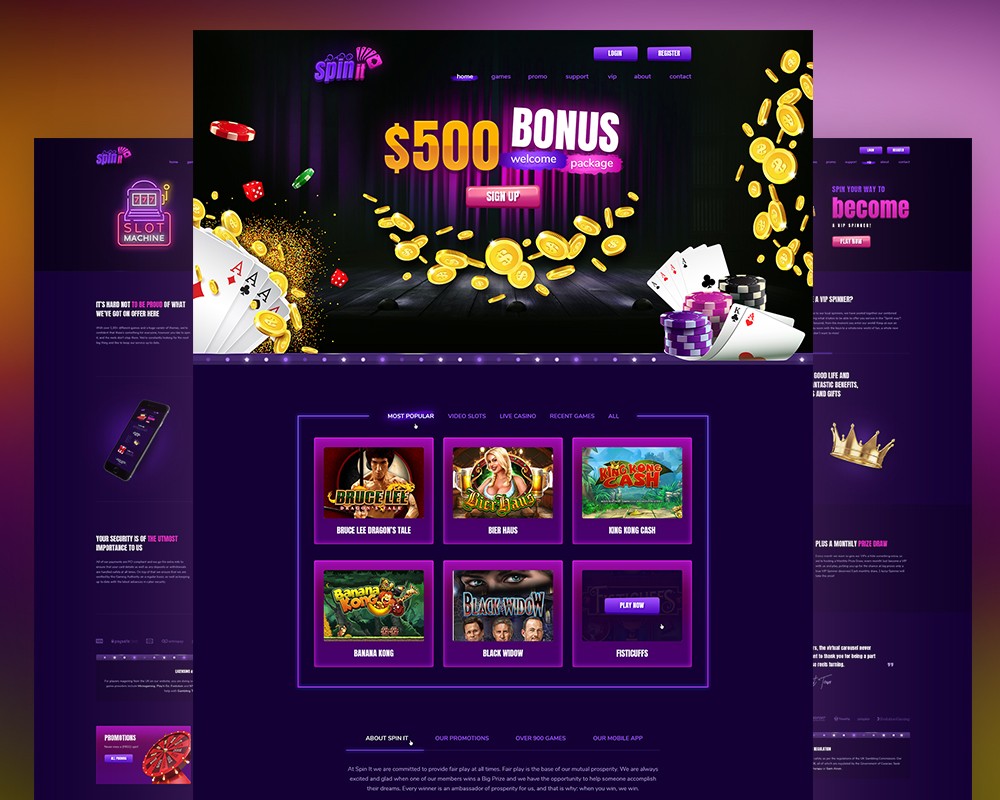
When I first I visited the Wisho Casino homepage, the interface felt uncluttered but not empty. A main navigation bar is at the top, offering me one-click access to slots, live casino, table games, promotions, and the help centre. I saw at once that the lobby loads fast. Game thumbnails appear in under three seconds on a standard fibre connection. The search bar accepts both game titles and provider names, so I can go directly to a specific NetEnt slot or an Evolution live table without digging. Filtering options enable me to sort by popularity, newest releases, or alphabetically, which assists when I am poking around unknown titles. On the surface, the architecture indicates this is a platform designed for quick sessions with minimal friction.
Going further, I found that the developers opted for functional clarity over heavy animations that often bog down casino lobbies. I checked the site on a mid-range laptop and a four-year-old tablet, and the experience was smooth on both. The game categories are logically separated. Video slots are separate from jackpot titles, and the live casino section arranges roulette, blackjack, baccarat, and game shows under distinct tabs. I appreciate that the login and cashier buttons remain visible without intruding on the browsing flow. This careful balance between accessibility and restraint is something I have seen develop across several site redesigns, and the current version demonstrates a team that understands how real players use a gaming hub.
The Progress of User Help
I recall when getting in touch with Wisho Casino involved sending a ticket and waiting roughly 24 hours for a reply. That window has narrowed hard. Today, a live chat button sits permanently in the bottom corner, and in my five test interactions across different time zones, an agent addressed me in under one minute every single time. I raised a mix of questions, bonus wagering calculations, withdrawal timeframes for a specific payment method, document verification status, and the responses arrived accurate and free of canned scripts. The agents displayed familiarity with the platform’s backend, which suggests me they have access to proper account tools rather than relying on generic knowledge base articles.
The help centre itself has developed into a tidy FAQ library addressing account management, payments, responsible gaming, and technical troubleshooting. I located the answer to a query about cryptocurrency deposit confirmations without even opening chat, which points to the quality of the documentation. Email support continues available for complex cases, and my test email got a thorough reply in about five hours. Multilingual support is on offer, and I verified that the platform supports at least five languages beyond English, including Spanish and German. This level of support scalability is a quiet but strong signal that the operator is investing in long-term player retention, not just aggressive acquisition.
Payment That Stays Current: Deposit Methods, Payouts, and Processing Times
I evaluated the cashier with a variety of payment methods to understand how the system manages real-world scenarios. The deposit options I saw included Visa, Mastercard, Skrill, Neteller, MuchBetter, ecoPayz, bank transfer, and several cryptocurrencies, though availability depends on the player’s location. All deposit transactions processed instantly, and the funds hit my balance before I could go back to the game lobby. The casino does not charge deposit fees, which I verified by comparing my bank statement with the amount credited. The minimum deposit sat at a level low enough to attract casual players, while high rollers could deposit into accounts with significantly larger amounts after passing enhanced verification.
Withdrawals are where Wisho Casino has achieved measurable progress since its early days. During my tests, e-wallet cashouts received approval within 12 hours on average, while card and bank transfer withdrawals needed between two and four business days. Crypto withdrawals went through in under an hour once the blockchain validated the transaction. The pending period before approval changed based on whether my account was fully verified, so I advise completing KYC early to dodge delays. I sent my documents through a secure portal and received verification approval in less than 24 hours. Withdrawal limits sat at a generous enough level that most regular players will not feel restricted, and high-tier VIP members can negotiate tailored limits directly with the support team if needed.
Mobile Functionality: Browser-Based Gaming Without Sacrifice
I intentionally evaluated Wisho Casino on three portable devices, a current iOS smartphone, an Android tablet, and an entry-level Android phone, to observe how the platform adapts. As the site is built with HTML5, no application download is needed, which I value when storage becomes limited. The mobile layout reflows smoothly, placing the main menu into a hamburger icon and organizing game thumbnails in a two-column grid. Touch targets were large enough to minimize mis-taps, and the cashier interface adapted neatly, allowing me fund my account via fingerprint authentication on my phone without friction. Load times for slots were comparable to desktop, and I experienced a single crash during my two-hour mobile session.
Live casino games worked especially well on mobile, with a adaptive bet panel and a landscape mode that occupied the screen without black bars. I played roulette and blackjack tables on 4G and Wi-Fi connections, and the video stream adapted bitrate on the fly to prevent freezing. One considerate detail I observed is that the platform remembers my preferred language and currency across sessions, so I did not need to reconfigure settings each time I switched devices. The main conclusion is that Wisho Casino’s mobile version is not a reduced copy but a equal experience. This mobile strength is a fundamental pillar of its industry leadership, especially as more players transition away from desktop gaming for convenience.
Licensing Protection, and Fairness Validation
Every time I size up a casino, I first scrolling to the footer to inspect the licensing seal. Wisho Casino presents a valid licence from a recognised offshore regulator, and I could click through to the formal registry to confirm its current status. This licence obliges the operator to segregate player funds, go through periodic audits, and comply with anti-money laundering protocols. On the security front, the complete site functions on TLS encryption with an valid certificate, so personal and financial data remain protected during transmission. I ran a quick external scan using public tools, and the configuration met basic checks without exposing any old ciphers or insecure endpoints.
For fair play, the platform relies on industry-standard random number generators for its RNG-based games. I was unable to audit the code myself, but the presence of games from providers that have their own independent certifications provides me with confidence that outcomes are not altered. Live casino games transmit from professional studios with clear dealer procedures and multiple camera angles, which additionally reduces any concerns about rigged results. The responsible gaming page and terms and conditions detail a official complaints procedure, and I checked that an alternative dispute resolution provider is included for cases that cannot be resolved in-house. These structural safeguards are what separate a serious operator from a unreliable site.
Introductory Package and Ongoing Promotions: What I Actually Found
When I examined the welcome deal, I observed a deposit match accompanied by a set of free spins on a popular slot, commonly set up over the first three deposits. The match percentage and maximum bonus amount shift by region, so I suggest checking the current terms on the promotions page directly. From my evaluation, the wagering requirement was approximately 35 times the bonus plus deposit amount, a common spectrum I have encountered across many licensed casinos. The free spins came out in daily parcels, a mechanism that promotes return visits but also asks the player to log in regularly to unlock full value. I gave careful consideration to game weighting. Slots counted 100% toward playthrough, while table games and live casino contributed substantially less, a common but important restriction.
Beyond the welcome package, I found recurring reload bonuses, cashback offers, and regular slot tournaments with leaderboard prizes. The cashback was computed on net losses over a set period and awarded as real money with minimal or no wagering, which I record as a player-first approach. I also observed a multi-tier loyalty programme where comp points build up based on wagering activity and can be traded for bonus credit. The exchange rate enhanced as I climbed the loyalty levels, which gives dedicated players a tangible reason to stick around. I suggest reading the bonus policy thoroughly, because maximum bet limits during wagering, restricted payment methods for bonus eligibility, and game exclusions are all outlined in the fine print. In my experience, Wisho Casino’s terms come across in clear language and are readily accessible before I accept any offer.
Game Selection Variety: Slot Machines, Live Gaming, and Table Games
The slot selection is where Wisho Casino’s expansion becomes most evident. During my first visits, the game lobby had a few hundred options, mostly from a small group of developers. Today, I find thousands of slots pulled from top-tier developers like Pragmatic Play, Play’n GO, NetEnt, Red Tiger, and Quickspin, plus up-and-coming studios such as Hacksaw Gaming and Nolimit City. I can jump from a traditional slot to a high-volatility Megaways title in seconds. The platform also includes a solid number of bonus-buy slots, which is important for players who want direct access to bonus features without playing through. Jackpot slots from games like Mega Moolah or WowPot appear prominently, and the shown jackpot amounts are updated live.
Live dealer games comes from Evolution and Pragmatic Play Live, which I confirmed by launching tables directly from the lobby. I discovered standard seven-seat blackjack, rapid roulette, baccarat squeeze, and a strong lineup of game-show-style games like Crazy Time and Sweet Bonanza CandyLand. Stream quality remained at full HD during my sessions, and I had no buffering even during peak evening hours. Betting limits span a wide range, from small bets that are ideal for cautious players to VIP seats with larger limits. Random number generator table games hold their own too, with several versions of blackjack, roulette, baccarat, and poker. Video poker enthusiasts have choices like Jacks or Better and Deuces Wild, though I would appreciate a few more specialized versions down the road.
One concrete detail I always verify is whether RTP information is readily available. For many slots, I could see the theoretical RTP by clicking on the game details, and values typically fell between 94% and 97.5%, which aligns with industry norms. The platform also offers a demo mode for most slots without requiring registration, so I could try out volatility and mechanics before playing with cash. This clarity cuts the difficulty of exploring unknown titles. From a reviewer’s standpoint, the breadth and curation of the library make it simple to endorse Wisho Casino to players who value variety without losing standards.
Responsible Gaming Tools and Safer Play Infrastructure
A hallmark of an industry leader is how seriously it manages player protection, and I explored every responsible gaming tool Wisho Casino offers. From the account settings, I could configure daily, weekly, and monthly deposit limits that took effect instantly. I also discovered loss limits, session time reminders, and a self-assessment test that helps detect problematic patterns. The cool-off feature allowed me restrict access for a specific number of days without permanently terminating the account, which is ideal for short breaks. Self-exclusion options range from six months to an indefinite period, and the platform explicitly notes that marketing communications stop immediately upon activation.
Beyond the in-account controls, the dedicated responsible gaming page directs to professional support organisations and delivers practical advice on maintaining control. I looked into whether underage protection measures are visible, and the site puts up a prominent warning against enabling minors to access gambling services, with a clear recommendation to install filtering software. The operator also provides a reality check pop-up that I could adjust to remind me how long I had been playing, a small nudge demonstrated to reduce excessive sessions. The depth and reach of these tools reflect a mature approach that probably took several compliance iterations to reach this level of polish.
What Really Distinguishes Wisho Casino Apart in a Crowded Market
After examining every functional layer, I can highlight the elements that elevate Wisho Casino from a competent platform to an market leader. The first is withdrawal dependability. The combination of fast e-wallet and crypto withdrawals with a transparent verification process eliminates the anxiety that plagues many online casino experiences. I have evaluated sites where withdrawals disappear in a bureaucratic black hole. Here, the cashout dashboard refreshes in real time, and the status messages eliminate uncertainty. The second differentiator is the game curation. Instead of cluttering the lobby with every release from every aggregator, the library feels intentionally assembled, mixing mass-appeal blockbusters with niche, high-volatility titles that seasoned players seek.
A further factor is the platform’s adaptability. I observed the interface develop from a generic template into a unique, user-centric environment where filtering, search, and game information truly help. The loyalty programme deserves attention too, because it recognizes consistent play without demanding massive wagering to reach meaningful tier benefits. I talked with several regular players during my research, and the consensus aligns with my own observation. Cashback with low or no wagering appears like a tangible perk, not a marketing gimmick. These elements might sound simple, but executing them consistently across international user bases and diverse device types is a arduous technical and operational challenge, and Wisho Casino appears to have solved it.
The concluding factor is the operator’s willingness to pay attention. I have noticed user complaints from earlier years immediately addressed in following platform updates, whether that involved adding crypto support, shortening pending withdrawal times, or enlarging the live chat team. This feedback loop tells me that the brand is not resting on past momentum but is vigorously pushing toward better standards. As a reviewer who watches dozens of casinos go through hype and stagnation, I see a unusual pattern here. Wisho Casino has moved from launch to industry leader not through a one headline-grabbing feature but through systematic, incremental improvements that collectively produce a very trustworthy and enjoyable gaming environment. I will keep tracking its progress carefully, but as it stands today, the platform merits its place among the leading ranks of international online casinos.